









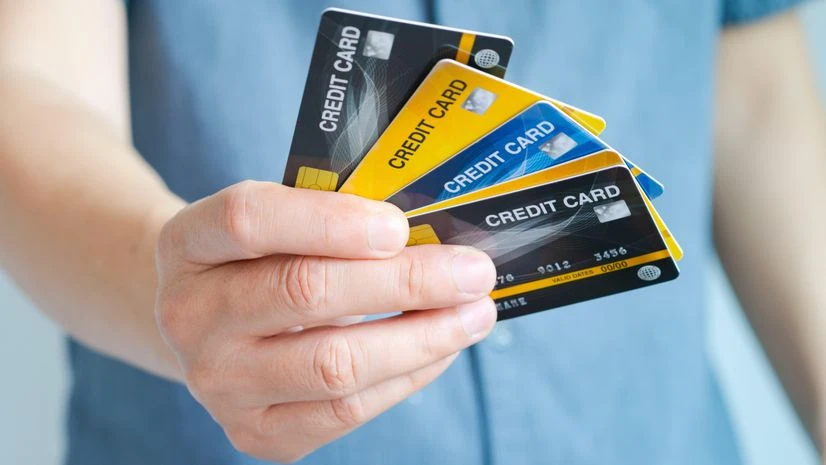
If you are just starting your financial journey, getting your first credit card can feel confusing. Most people believe that you need a good credit score to qualify for a card. But the truth is simple — many banks offer beginner-friendly credit cards for people who have no credit history at all. These cards can help you build credit from scratch, manage your expenses better, and enjoy useful rewards.
- What Is a Credit Card for Beginners?
- Why Is Credit Important When You Are Just Starting?
- Types of Credit Cards Beginners Can Apply For
- Best Credit Cards for Beginners With No Credit History in 2025
- How to Choose the Best Credit Card as a Beginner
- How to Use Your First Credit Card Smartly
- How Beginners Can Build a Good Credit Score Fast
- When Should You Upgrade to a Better Credit Card?
- Final Thoughts
- FAQs
In this guide, we will explain the best credit cards for beginners with no credit history, how these cards work, what features you should look for, and how to use your first card wisely. The goal is to help you make a smart, stress-free decision.
If you want more beginner-friendly finance guides, also check our detailed resources on loans, savings, and credit building at WhiteHatFinance.com.
What Is a Credit Card for Beginners?
A beginner credit card is specially designed for people who are new to the credit system. This means you may not have a credit score, CIBIL score, or any borrowing record. These cards usually come with:
- Lower credit limits
- Simple approval processes
- Basic rewards or benefits
- Easy eligibility even with no credit score
Banks offer these cards because they understand that everyone needs a place to start. By using these cards responsibly, you slowly build your credit profile.
Why Is Credit Important When You Are Just Starting?
Credit is like a financial report card. Lenders check your credit score before approving loans for cars, homes, or personal needs. A good credit score makes your life easier because you get:
- Faster loan approvals
- Lower interest rates
- Higher loan amounts
- Better credit card options later
Starting early with a good beginner card helps you build a strong financial foundation.
Types of Credit Cards Beginners Can Apply For
Choosing the right card depends on what you need and your financial situation. Here are a few beginner-friendly options you can consider.
1. Secured Credit Cards
A secured credit card is one of the easiest ways to start your credit journey. You simply need to open a fixed deposit (FD) with the bank. The bank then gives you a credit card against the FD amount.
For example, if you deposit ₹10,000, you might get a credit limit of ₹7,000 to ₹10,000.
These cards are safe and often get approved quickly because the bank already holds your FD as security.
2. Starter or Entry-Level Credit Cards
Some banks offer special starter cards designed for students, young professionals, or first-time credit users. These cards do not ask for high income or a credit score. Their approval process is smooth, and the annual fees are usually low or even zero.
3. Student Credit Cards
These cards are great for college students who need a basic card for online payments, travel, or daily spending. Student credit cards have very low limits, but they help you build early financial discipline.
4. Digital or App-Based Credit Cards
Some new-age fintech companies offer digital-first credit cards for beginners. They often check alternative data such as bank transactions instead of credit scores. These cards are flexible and easy to manage.
Best Credit Cards for Beginners With No Credit History in 2025
Below are some beginner-friendly credit card categories that usually work well for people with no credit record. Since each bank may update features regularly, always check the latest details on the bank’s website before applying.
1. Beginner Secured Cards
If you want guaranteed approval, secured cards are the best option. They help you build credit fast without the risk of rejection. These cards come with:
- Simple approval using a fixed deposit
- Low annual fee
- High approval rate
- Ability to upgrade to a regular card after some months of timely payments
2. Lifetime Free Starter Cards
Many banks now offer lifetime-free entry-level credit cards with zero joining fee and zero annual fee. These are perfect for beginners because they do not add extra financial pressure. You get:
- No hidden fees
- Easy online application
- Basic cashback or reward points
- Good for online shopping and small payments
3. Student-Friendly Cards
If you are a student, a student credit card is a safe start. You usually need a student ID or proof of admission. These cards come with:
- Low interest
- Simple approval
- Useful cashback on food, travel, and online shopping
4. Fintech Digital Cards
Digital cards from fintech platforms have become very popular. They are issued quickly, usually through an app. These cards are good for young professionals who want instant access and simple controls.
These cards often include:
- Instant virtual card issuance
- Cashback on food delivery, cab rides, or subscriptions
- Smart budgeting features
How to Choose the Best Credit Card as a Beginner
Picking the right first card is not only about rewards. You should also think about long-term credit building. Here are simple things to check before applying.
1. Annual Fees and Joining Fees
As a beginner, you should prefer low-fee or zero-fee cards. This keeps your expenses low while you learn how credit works.
2. Credit Limit
Your credit limit affects your credit score. A higher limit helps as long as you do not overspend. But for beginners, a moderate limit is usually better for control.
3. Ease of Approval
Always choose a card that clearly mentions that it accepts applicants with no credit score. This avoids rejection and unnecessary hard inquiries.
4. Rewards and Benefits
Even simple cards can offer good value through small cashback, dining offers, or online shopping discounts. Pick what matches your spending habits.
5. Mobile App and Customer Support
Beginners need simple tools to track expenses and due dates. A good banking app makes your journey stress-free right from the first month.
How to Use Your First Credit Card Smartly
Getting your first card is easy. But using it wisely is the real challenge. Here are simple habits to follow.
Always Pay on Time
Payment delays hurt your credit score very quickly. Even one late payment can bring your score down. Set reminders or use auto-pay.
Keep Credit Utilisation Low
Try to use less than 30% of your credit limit. If your limit is ₹10,000, try not to spend more than ₹3,000 each month.
Avoid Cash Withdrawals
Cash withdrawals from credit cards come with high fees and interest. Use your debit card instead.
Track Monthly Bills
Beginners often overspend because they do not track their spending. Use your banking app to monitor your expenses.
Do Not Apply for Too Many Cards at Once
Multiple applications can reduce your score. Start with one card, build a clean history for 6–12 months, and then upgrade.
How Beginners Can Build a Good Credit Score Fast
You do not need to wait years to build credit. With the right habits, you can build a strong score in just 6 to 9 months.
To build credit fast:
- Pay every bill before the due date
- Keep low usage
- Check your statements monthly
- Avoid carrying balances
- Do not close your old cards too soon
These small steps create a solid credit foundation early in your life.
When Should You Upgrade to a Better Credit Card?
After 9 to 12 months of responsible usage, you will start getting upgrade offers. You can upgrade when:
- Your income has increased
- You have built a credit score of 700+
- You need more cashback or higher limits
- You want premium benefits
Upgrading helps improve your financial profile and unlock better rewards.
Final Thoughts
Getting your first credit card with no credit history is not difficult anymore. You just need to pick the right type of card, use it responsibly, and build good spending habits. A beginner credit card is more than just a payment tool — it is the foundation of your financial life. If you choose wisely, your future loans, EMIs, and credit opportunities will all become easier and cheaper.
For more simple guides on loans, credit building, and savings, visit WhiteHatFinance.com. You will find helpful articles that make money and finance easy for everyone.
FAQs
1. Can I get a credit card without any credit score?
Yes, many banks offer beginner and secured cards that do not require a credit score at all.
2. Is a secured credit card good for first-time users?
Yes, secured cards are one of the best ways to build credit safely and quickly.
3. How long does it take to build credit from scratch?
If you use your card wisely, you can build a good score in 6–12 months.
4. What is the ideal credit limit for beginners?
A moderate limit is best. It helps you learn discipline while slowly improving your profile.
5. Can I upgrade my beginner credit card later?
Yes, once you build a good score, you can upgrade to a better card with more rewards.