









Saving money every month is becoming more important than ever, especially for salaried people who rely on a fixed monthly income. With rising prices, EMIs, rent, food costs, transport, and sudden emergencies, managing money can feel stressful. But the good news is that with the right saving strategies, anyone can improve their financial stability in 2025.
- Why Monthly Saving Matters in 2025
- Best Monthly Saving Strategies for Salaried People (2025 Edition)
- 1. Follow the 50-30-20 Budget Rule
- 2. Save Automatically on Salary Day with Auto-Debit
- 3. Build a Six-Month Emergency Fund
- 4. Track Your Expenses Every Week
- 5. Cancel Subscriptions You Don’t Use
- 6. Use the Envelope Method to Control Spending
- 7. Use Cashback, Discounts, and Reward Points
- 8. Reduce Debt and Avoid High-Interest Credit Card Usage
- 9. Set Monthly Financial Goals
- 10. Invest in Tax-Saving Instruments Under Section 80C
- 11. Avoid Lifestyle Inflation
- 12. Build Small Extra Income Streams
- 13. Review Your Savings Plan Every Three Months
- FAQs
- Conclusion
This guide is written in simple English so even a complete beginner can understand and follow it. These strategies are practical, easy to apply, and perfect for Indian salaried employees.
Why Monthly Saving Matters in 2025
Saving money is no longer a choice. It has become a basic need. The cost of living is rising every year, and unexpected expenses can occur at any time. Having savings gives you confidence and protects your future.
Monthly saving helps you handle emergencies, avoid loans or credit card debt, buy a home or car, plan a wedding, start a business, take vacations, or enjoy a peaceful retirement. You don’t need to save a huge amount every month. Even small steps can make a big difference over time.
Best Monthly Saving Strategies for Salaried People (2025 Edition)
Below are the most effective, realistic, and beginner-friendly saving strategies for salaried individuals.
1. Follow the 50-30-20 Budget Rule
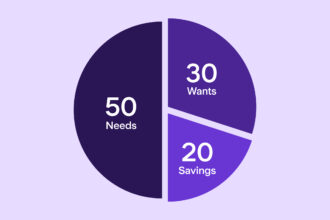
The 50-30-20 rule is one of the simplest ways to manage money. It helps you divide your salary into three parts.
50 percent should go toward your needs like rent, groceries, bills, and transport.
30 percent should go toward your wants such as entertainment, ordering food, movies, or small luxuries.
20 percent should go toward savings and investments.
This balance helps you save money without sacrificing your comfort. If your expenses are higher, you can adjust it to 60-20-20 or 70-20-10 depending on your lifestyle.
2. Save Automatically on Salary Day with Auto-Debit
The best time to save money is the moment your salary arrives. This is called paying yourself first. Instead of saving what is left at the end of the month, save first and spend later.
Set up auto-debit payments for SIPs, recurring deposits, or savings plans. When the money is deducted automatically, you are less likely to spend it on unnecessary things.
This method is perfect for beginners. Even starting with 500 or 1000 rupees per month is good enough.
3. Build a Six-Month Emergency Fund
Life is unpredictable. Sudden events like job loss, illness, repairs, or emergencies can disturb your finances. That is why every salaried person must build an emergency fund.
A good rule is to save at least six months of your monthly expenses. If your expenses are around 30,000 rupees per month, your emergency fund should be around 1,80,000 rupees.
Keep this money in a liquid fund or a high-interest savings account where you can withdraw it easily.
4. Track Your Expenses Every Week
Most people do not know where their money goes every month. This is the biggest reason why savings fail. A simple habit of tracking your expenses can completely transform your financial life.
You can track your expenses using a notebook, Google Sheets, or apps like Moneyfy, Fi, or Walnut. When you track your spending weekly, you will naturally start spending more carefully.
5. Cancel Subscriptions You Don’t Use
In 2025, most people have multiple subscriptions such as OTT platforms, fitness apps, premium apps, and memberships. Some of these renew automatically every month without us noticing.
Take a moment to review your subscriptions and cancel the ones you rarely use. This simple step can help you save a surprising amount of money every month.
6. Use the Envelope Method to Control Spending
The envelope method is an old but powerful saving technique. Divide your monthly budget into envelopes such as groceries, travel, food, and personal expenses. Once the money inside an envelope is finished, you stop spending in that category.
This teaches discipline and reduces impulsive shopping. If you prefer digital methods, you can create separate bank accounts or UPI wallets for different spending categories.
7. Use Cashback, Discounts, and Reward Points
UPI apps, credit cards, and online stores often offer cashback, discounts, and reward points. When used wisely, these rewards can help you save money on groceries, travel tickets, fuel, or online shopping.
However, always remember to pay your credit card bill in full every month. Avoid using credit cards if you struggle with overspending.
8. Reduce Debt and Avoid High-Interest Credit Card Usage
Credit card interest rates are extremely high. If you are using credit cards without paying your bills on time, you will never be able to save money properly.
To build savings faster, clear your high-interest loans first. Avoid unnecessary loans and always pay your credit card bill in full every month. Once you become debt-free, you will notice a dramatic improvement in your financial life.
9. Set Monthly Financial Goals
Saving becomes easier when you have clear goals. Instead of saying you want to “save more,” create specific goals.
For example, you can set goals like saving 5000 rupees every month, building a one lakh rupee emergency fund in one year, starting a SIP for retirement, or saving for a trip or a wedding.
Write your goals down in a notebook and review them weekly. It helps keep you motivated.
10. Invest in Tax-Saving Instruments Under Section 80C
Saving tax is also a form of saving money. If you are a salaried person, you should use tax-saving options under Section 80C.
Some popular tax-saving investments include ELSS, PPF, NPS, life insurance term plans, and tax-saving fixed deposits.
These options help you save tax and also build long-term wealth.
11. Avoid Lifestyle Inflation
When our salary increases, most people increase their expenses as well. This is called lifestyle inflation. It reduces your ability to save.
Whenever your salary increases, do not immediately upgrade your lifestyle. Instead, increase your savings first. Over time, this can help you build wealth much faster.
12. Build Small Extra Income Streams
Depending on only one salary can be risky. Creating a small extra income stream can help you save more every month.
You can earn extra income from freelancing, online teaching, YouTube, content writing, selling digital products, or affiliate marketing. Whatever you earn through side income can directly go into savings or investments.
13. Review Your Savings Plan Every Three Months
Financial planning is not a one-time task. You should check your progress every three months. Review your expenses, income, savings, investments, and goals.
Make changes based on your needs. This helps you stay on track and continuously improve your financial health.
FAQs
How much should a salaried person save every month?
A good habit is to save at least 20 percent of your monthly salary. If your expenses are high, start with a smaller amount like 5 to 10 percent and increase slowly.
What is the safest saving option for beginners?
Beginners can start with PPF, recurring deposits, or liquid funds because they are simple and low risk.
Can I save money if my salary is low?
Yes. Even saving 200, 500, or 1000 rupees every month is fine. Small savings grow over time with consistency.
What should I do if I have loans?
Pay off high-interest loans first, especially credit card bills. Follow the 50-30-20 rule and save a small amount on salary day.
What is the best investment for salaried people in 2025?
Some of the best options include SIPs in mutual funds, PPF, NPS, ELSS, and tax-saving deposits.
Conclusion
Saving money as a salaried person in 2025 is possible for everyone, no matter the income level. All you need is discipline, planning, and consistency. These simple strategies like budgeting, tracking expenses, auto-saving, avoiding debt, investing wisely, and setting goals can help you build a strong financial future.
If you want more helpful money guides, savings tips, investment ideas, and personal finance content, visit WhiteHatFinance.com for easy-to-understand articles.
Start now. Even a tiny step can change your financial life.