









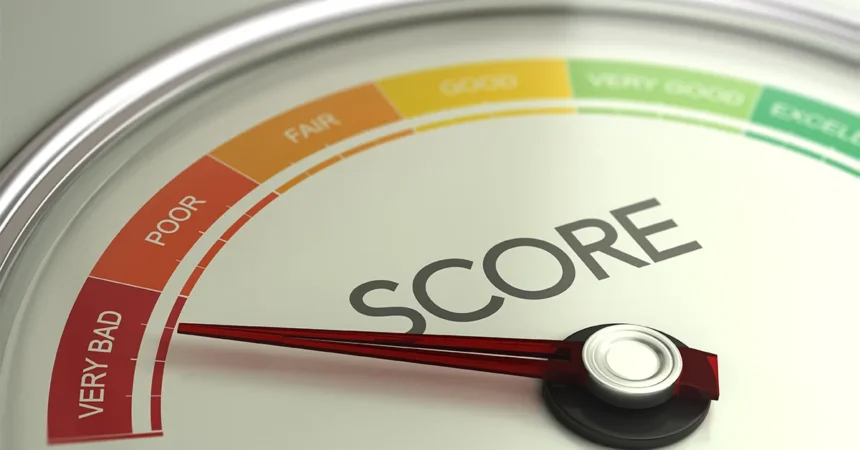
A credit score is one of the most important numbers in your financial life. Whether you want to apply for a loan, get a credit card, buy a house, or grow your business, lenders will first look at your credit score to decide how trustworthy you are. Even though it plays a big role, many people still do not understand what a credit score really means or how it is calculated.
In this simple and beginner-friendly guide, we will explain everything about credit scores, what affects them, and how you can improve your score step by step. This guide is written in easy language so that anyone can understand it without any confusion. If you want more simple finance guides, you can also explore our other articles on WhiteHatFinance, where we explain money topics the right and honest way.
What Is a Credit Score?
A credit score is a three-digit number that shows how responsible you are with money. It tells banks and lenders whether you repay loans on time or not. Think of your credit score like a “financial report card.” A higher score means you are a low-risk borrower, and lenders trust you more. A lower score means lenders may think twice before giving you credit.
In many countries, credit scores range between 300 to 900, but the exact range depends on the credit bureau used. The higher your score, the better your chances of getting loans at cheaper interest rates.
A credit score is not controlled by banks. It is calculated by independent credit bureaus using your past financial behaviour. This includes how you pay your bills, how much you borrow, and how often you apply for credit.
Why Does Your Credit Score Matter?
Your credit score affects several parts of your financial life. A good credit score can help you achieve your goals faster and save money.
Higher credit score benefits include:
- You get loans at lower interest rates.
- You can qualify for credit cards with better rewards.
- Loan approval becomes faster and smoother.
- You can negotiate better terms with lenders.
- You appear more financially responsible.
If your credit score is low, you may face difficulties such as higher interest rates, rejection of loan applications, or the need for extra documents and guarantees.
How Is Your Credit Score Calculated?
Credit bureaus use different formulas, but the main idea is the same everywhere. Your score is based on your past financial habits. Let’s look at the key factors that affect your credit score.
1. Payment History
This is the most important factor in your score. Credit bureaus want to know whether you pay your bills and EMIs on time. Even a single missed or late payment can harm your score.
When you consistently pay on time, your score increases. When you delay payments, your score falls because lenders think you may delay in the future too.
2. Credit Utilisation Ratio
This means how much of your available credit you actually use. If your credit card limit is ₹1,00,000 and you spend ₹70,000 every month, your utilisation is 70%.
A low utilisation ratio (below 30%) is good because it shows you use credit wisely. Using too much of your available limit may make lenders think you rely too heavily on credit, which lowers your score.
3. Length of Credit History
The longer your credit history, the better. A long history helps credit bureaus understand your behaviour over time. This is why experts advise not to close your oldest credit card unless needed.
A longer history builds trust. A shorter one gives less information, which may limit your score.
4. Number of Credit Inquiries
Each time you apply for a loan or credit card, lenders check your credit report. These “hard inquiries” slightly reduce your score.
Applying for too many loans in a short period signals financial stress and lowers your score. Always apply only when necessary.
5. Credit Mix
Credit score improves when you have a healthy combination of different types of loans. For example:
- Credit cards
- Personal loans
- Home loans
- Car loans
Having a mix shows you can handle different credit types responsibly. Only having one type of credit is fine, but a balanced mix adds extra strength to your score.
What Can Hurt Your Credit Score?
Many people unknowingly damage their credit score. Understanding these mistakes is important to protect your financial health.
Some common actions that can lower your score are:
- Late or missed EMIs
- High credit card balances
- Defaulting on loans
- Closing old credit accounts
- Multiple loan applications
- Not checking your credit report for errors
- Ignoring outstanding dues for long periods
Once the score drops, rebuilding it takes time. So it is always better to avoid mistakes early.
How to Improve Your Credit Score Fast
A credit score can always be repaired with the right steps. You do not need expert help; you can do it yourself. Start following the steps below to build a strong and healthy score.
1. Always Pay Bills on Time
This is the biggest factor. Make sure your EMIs, credit card payments, and other dues are paid before the due date. Set reminders or enable auto-pay to avoid missing payments. Consistent on-time payments help your score bounce back steadily.
2. Reduce Your Credit Card Usage
Try to use only 20% to 30% of your credit limit. If your utilization is high, your score may remain low even if you pay on time. Reducing credit card spending or increasing your card limit (without using the extra limit) helps lower the ratio.
3. Clear Outstanding Balances
If you have old pending payments, clear them as soon as possible. Even settling old loans (not fully paying them) may show as negative in your report. Paying fully is always better for your score.
4. Avoid Applying for Too Many Loans
Each loan application creates a hard inquiry. Apply for credit only when necessary. Too many inquiries in a short time affect your score negatively.
5. Keep Your Old Credit Accounts Open
Your oldest credit card adds weight to your credit history. If you close it, your total credit limit drops, and your credit history becomes shorter, which may lower your score.
6. Maintain a Good Credit Mix
If you only have credit cards, having one long-term loan (like a personal loan or home loan) may strengthen your score over time. But never take a loan just to improve your score. Manage what you already have wisely.
7. Check Your Credit Report Regularly
Credit bureaus sometimes make errors. A wrong entry can lower your score without your fault. Check your report at least once a year. If you find mistakes, raise a dispute immediately. Once corrected, your score improves.
How Long Does It Take to Improve a Credit Score?
Credit score improvement depends on your financial habits. Small improvements can be seen within 1–2 months, but big changes usually take 6–12 months. Consistency matters. Good habits build a strong score, while even one mistake can slow down progress.
Why Improving Your Credit Score Matters for Your Future
A good score gives you more financial freedom. You get access to better loan options, lower interest rates, and higher credit limits. It saves money, reduces stress, and helps you achieve your dreams—whether it is buying a home, starting a business, or managing emergencies smoothly.
If you want to learn more about improving your financial life, you can explore our full library of helpful articles on WhiteHatFinance.com, where we publish simple, honest, and beginner-friendly financial education guides.
FAQs
What is a good credit score?
A score above 750 is usually considered good. It increases your chances of loan approval and lowers your interest rates.
Can I improve my credit score quickly?
Yes, but results depend on your habits. Paying bills on time, reducing credit usage, and fixing report errors can show quick improvements.
Does checking my own credit score reduce it?
No. Checking your own score is a “soft inquiry,” and it does not affect your credit score.
Can I improve my score without a credit card?
Yes. Timely EMI payments, low loan burdens, and long credit history all help improve your score even without a credit card.
Why did my credit score drop suddenly?
Possible reasons include late payments, high credit usage, new loan applications, or errors in your credit report.