









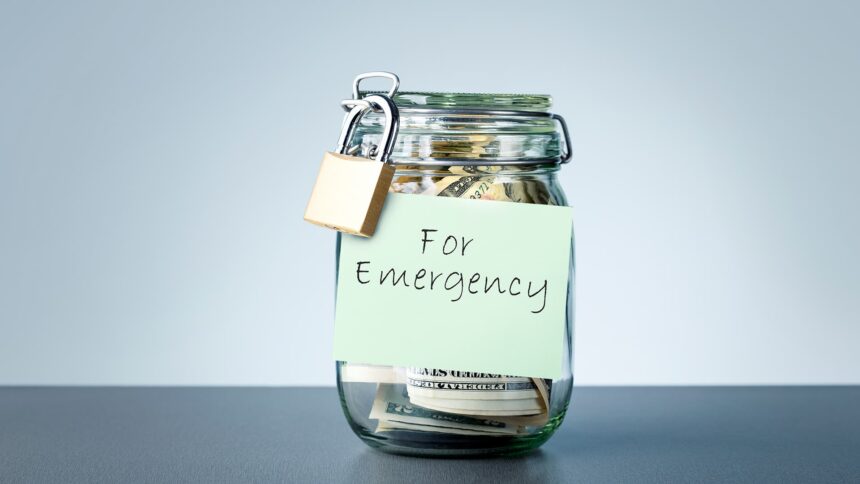
An emergency fund is one of the most important parts of personal finance. It protects you when life suddenly throws unexpected problems at you. Whether it is losing a job, a medical bill, a home repair, or an urgent travel need, an emergency fund acts like a safety net. Without it, even a small problem can create stress or debt.
- What Is an Emergency Fund and Why Do You Need One?
- How Much Emergency Fund Do You Actually Need?
- How to Calculate Your Exact Emergency Fund Requirement
- How to Build an Emergency Fund Fast
- Where to Keep Your Emergency Fund?
- Signs You Are Ready With a Strong Emergency Fund
- Common Mistakes to Avoid When Building Your Emergency Fund
- Help You Grow Your Money Smarter
- FAQs on Emergency Funds
- Conclusion
In today’s world, building an emergency fund is not a luxury. It is a basic financial need. Many people think they need a huge amount to start, but that is not true. You can begin small and grow it with simple steps. In this guide, you will learn how much money you actually need for emergencies and how you can build your fund quickly, even if you are starting from zero.
What Is an Emergency Fund and Why Do You Need One?
An emergency fund is a savings account that you only use for real emergencies. It is not for vacations, shopping, or planned expenses. It is for the unexpected situations that you cannot avoid.
Life is unpredictable. Even people with stable jobs or businesses can face sudden challenges. When you have an emergency fund, you do not need to borrow money at high interest or use credit cards. Instead, you can use your own savings and stay stress-free.
A healthy emergency fund gives you:
- Peace of mind
- Protection from debt
- More control over your financial future
- Confidence during uncertain times
Your goal should be to build a fund that can help you survive without income for a few months and manage big surprise expenses easily.
How Much Emergency Fund Do You Actually Need?
The best size for your emergency fund depends on your lifestyle, income, and financial responsibilities. But there is a simple rule that works for most people: you should save at least 3 to 6 months of your basic expenses.
Basic expenses include:
- Rent or home loan
- Food and groceries
- Electricity, water, and internet
- Transportation
- Insurance
- Child or family expenses
- Loan EMIs
- Medicines
- Any other essentials you cannot skip
Three-Month Emergency Fund
A 3-month emergency fund is a good starting point for:
- People with stable jobs
- Dual-income households
- Beginners who are just starting their savings journey
It gives basic protection and helps you manage most common financial surprises.
Six-Month Emergency Fund
A 6-month fund is ideal for:
- Single-income families
- Self-employed people
- Freelancers and gig workers
- People with unstable income
- Anyone with dependents
This keeps you safe even during long emergencies like job loss or slow business.
Twelve-Month Emergency Fund
Some people prefer a 12-month emergency fund. This is helpful for:
- People in high-risk jobs
- Those with many financial responsibilities
- Business owners
- People preparing for major life changes
A one-year emergency fund gives the highest level of financial protection.
Start with three months, then slowly build up to six or more. Do not wait until you can save a big amount. Even ₹500 or $10 a week is enough to begin.
How to Calculate Your Exact Emergency Fund Requirement
To know exactly how much you need, follow these steps:
- List your total essential monthly expenses.
- Add up the total for the month.
- Multiply it by 3, 6, or 12 depending on your comfort level.
For example:
If your basic expenses are ₹30,000 per month, your emergency fund should be:
- 3 months: ₹90,000
- 6 months: ₹1,80,000
- 12 months: ₹3,60,000
This simple calculation helps you create a clear savings goal.
How to Build an Emergency Fund Fast
Many people think saving money is slow and painful. But you can grow your emergency fund quickly with the right strategy. Here are simple and effective methods anyone can use.
Start with a Small Goal
Instead of worrying about saving 3–6 months at once, start with your first ₹5,000 or $100. A small win will motivate you to save more.
Save a Fixed Amount Every Month
Decide a fixed amount that you will save no matter what. Treat it like a bill you must pay. Even if it is small, it will grow steadily.
Cut Unnecessary Monthly Expenses
Review your monthly spending. You may find small expenses that can be reduced or removed. This saved money can go into your emergency fund immediately.
Use a Dedicated Savings Account
Do not mix your emergency fund with your everyday bank account. Open a separate savings account so you do not accidentally spend the money.
Add Extra Money Whenever Possible
Whenever you get:
- A bonus
- Cash gift
- Refund
- Side-income
- Festival money
Add it to your emergency fund to fast-track your progress.
Start a Small Side Hustle
Even simple side jobs like tutoring, freelancing, or selling handmade items can add extra savings. You do not need to earn a lot. Even small side income can speed up your emergency fund growth.
Avoid Using the Fund for Non-Emergencies
Your emergency fund should only be used when it is truly required. If you use it for regular expenses, it will become difficult to rebuild.
Where to Keep Your Emergency Fund?
Your emergency fund needs to be safe, easily accessible, and separate from your daily money. Good options include:
High-Interest Savings Account
A high-interest savings account helps your money grow while staying safe. It also gives you quick access whenever needed.
Money Market Account
Money market accounts offer good interest rates and easy withdrawals. They are safe and widely used.
Short-Term Fixed Deposit (FD)
You can place a part of your fund in a short-term FD for better interest. Keep the rest in a normal savings account for quick access.
Never invest your emergency fund in risky investments because the money must be 100% safe and available at all times.
Signs You Are Ready With a Strong Emergency Fund
You will know you have a solid emergency fund when:
- You can handle 3 to 6 months of expenses without stress.
- You do not panic during unexpected situations.
- You avoid using credit cards for emergencies.
- You feel confident about your financial future.
An emergency fund is not just about money. It is about security and peace of mind.
Common Mistakes to Avoid When Building Your Emergency Fund
Many people fail to build their fund because of small mistakes. Make sure you avoid these:
- Waiting for the “perfect time” to start saving
- Using the fund for non-emergencies
- Keeping all the money in cash at home
- Investing it in risky places
- Forgetting to update your fund as your expenses grow
Start now, stay consistent, and you will build a strong emergency fund faster than you think.
Help You Grow Your Money Smarter
If you want to learn more smart ways to manage your personal finances, explore guides and finance tips at WhiteHatFinance.com.
You will find easy articles that help you save more, invest wisely, and make better financial decisions.
FAQs on Emergency Funds
1. Is ₹50,000 enough for an emergency fund?
It can be enough for beginners, but it depends on your monthly expenses. If your expenses are high, you may need more. Start with a small fund and slowly expand it.
2. Should I invest my emergency fund?
No. Emergency funds should be safe and easy to access. Investments come with risks and may not offer instant liquidity.
3. How long does it take to build an emergency fund?
It depends on your income and savings habits. Some people build theirs in three months, and others take a year. The important part is consistency.
4. Can I use the emergency fund for medical bills?
Yes. Medical emergencies are one of the main reasons for having an emergency fund.
5. Should I keep cash at home for emergencies?
You can keep a small amount for quick needs, but most of your fund should be in a safe bank account.
Conclusion
Building an emergency fund is one of the smartest financial decisions you can make. It protects you, reduces your stress, and gives you confidence in difficult times. You do not need to start with a big amount. Start small, stay consistent, and slowly grow your fund to cover 3 to 6 months of expenses. The peace of mind you receive is worth every bit of effort you put in today.