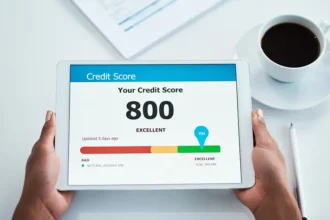










Managing money in your 20s can feel confusing, especially if you have just started earning or are still figuring out your career. But one truth never changes: the financial habits you build in your 20s will shape your entire future. When you learn to save, invest, and plan early, you build a strong foundation for a stable and stress-free life.
- Why Managing Money Early Matters
- Step 1: Understand Your Income and Spending
- Step 2: Use the 50/30/20 Budget Rule
- Step 3: Build an Emergency Fund
- Step 4: Start Investing Early, Even in Small Amounts
- Step 5: Stay Away from High-Interest Debt
- Step 6: Automate Your Savings
- Step 7: Set Clear Financial Goals
- Step 8: Focus on Increasing Your Income
- Step 9: Watch Out for Lifestyle Inflation
- Step 10: Learn About Money Regularly
- FAQs
- Conclusion
This simple blueprint is designed for beginners. It uses easy language, practical steps, and clear examples. Whether you are a student, a young professional, a freelancer, or someone restarting financially, this guide will help you take control of your money.
Why Managing Money Early Matters
Your 20s are the perfect time to build healthy money habits. You may not earn much yet, but you usually have fewer responsibilities. This means even small savings and small investments can grow into something big over time.
The biggest reason to start early is compound interest. This is when your money earns more money as time passes. Even a small amount like ₹1,000 invested every month in your 20s can grow into lakhs by your 40s.
Good financial habits also reduce stress. You feel more independent, more confident, and more prepared for emergencies.
Step 1: Understand Your Income and Spending
Before you manage your money, you must know where your money is going. Many young people do not track their spending, and they often lose money without noticing.
Spend one month tracking everything you spend. Note how much you earn, how much you spend on needs like rent and groceries, and how much you spend on extras like shopping or entertainment.
When you see your spending clearly, you can control it better and make smarter decisions.
Step 2: Use the 50/30/20 Budget Rule
The 50/30/20 rule is a simple way to organise your money and build discipline without stress.
50% for needs
These include rent, food, transport, electricity, phone bills, and other essential expenses. Try not to let these go above 50%. If they do, find where you can cut costs.
30% for wants
These are things you enjoy but do not need, such as movies, online shopping, dining out, gadgets, or vacations. Enjoy these, but keep them in control.
20% for savings and investments
This is the most important part. Use this amount to grow your money. If 20% feels difficult, start with 5% or 10% and increase slowly.
Step 3: Build an Emergency Fund
An emergency can happen anytime. A medical bill, job loss, or urgent travel can suddenly disturb your finances. Without savings, you may need to borrow money, which leads to stress and debt.
An emergency fund protects you from such situations. Try to save at least three to six months of living expenses. Keep this money separate from your daily spending account. Start small if needed. Even ₹500 or ₹1,000 a month will grow over time.
Step 4: Start Investing Early, Even in Small Amounts
Many people think investing is only for rich people, but that is not true. Anyone in their 20s can start investing with small amounts. When you invest early, your money has more time to grow.
Here are some beginner-friendly investment options.
Mutual funds through SIP
A Systematic Investment Plan allows you to invest as little as ₹500 per month. It is simple and great for long-term wealth building.
Index funds
These funds follow the market and are low-cost, easy to understand, and perfect for beginners.
Public Provident Fund (PPF)
A safe and long-term savings option with tax benefits.
Recurring Deposits (RD)
A low-risk option where you deposit a fixed amount every month and earn guaranteed interest.
You can explore beginner investment guides on WhiteHat Finance to understand these options more deeply.
Step 5: Stay Away from High-Interest Debt
High-interest debt is one of the biggest threats to young people’s financial health. Credit cards, instant loans, buy-now-pay-later apps, gadget EMIs, and personal loans may seem helpful, but they often trap you in unnecessary payments.
Credit cards especially can charge very high interest if you do not pay on time. Use credit cards only when you can pay the full amount every month.
If you have existing debt, create a plan to clear it step by step. Start with the loan that has the highest interest rate, which is called the debt avalanche method.
Step 6: Automate Your Savings
One of the easiest ways to save money is to automate it. Most banks let you set automatic transfers from your main account to your savings or investment account.
When money moves automatically, you do not have to rely on willpower. This builds financial discipline without effort.
Automate your SIPs, emergency fund transfers, recurring deposits, and savings so that you do not forget or skip months.
Step 7: Set Clear Financial Goals
Setting goals is one of the most powerful habits in your 20s. When you know what you want, your money choices become easier.
Think about your goals for the next ten years. Do you want to buy a car? Travel abroad? Build a business? Become financially independent?
Write your goals down clearly. Give each goal a timeline and a budget. When your goals are clear, your motivation grows naturally.
Step 8: Focus on Increasing Your Income
Managing money is not just about saving more. It is also about earning more. The more skills you learn, the more opportunities you have for a better income.
Your 20s are the best time to learn new skills like digital marketing, programming, content writing, data analysis, graphic design, video editing, or even freelancing. New skills open new doors and can help increase your income significantly.
Step 9: Watch Out for Lifestyle Inflation
Lifestyle inflation happens when your spending increases the moment your income increases. Many people make this mistake in their 20s. As soon as they get a salary hike, they start spending more on gadgets, clothes, food, or rent.
This slows down financial growth. Instead, whenever your income increases, increase your savings and investments first. Then upgrade your lifestyle slowly and wisely.
Step 10: Learn About Money Regularly
Money management is a life skill. The more you learn, the smarter your decisions become. Read articles, listen to financial podcasts, follow simple money tips, and form a habit of learning.
Websites like WhiteHat Finance offer easy-to-understand guides for beginners who want to grow their money safely.
FAQs
How much should I save in my 20s?
Try to save at least 20% of your income. If that is difficult right now, start with a small amount and increase slowly.
Is investing risky for beginners?
Every investment has some risk, but long-term investing reduces the risk. Start with simple tools like SIPs, index funds, or PPF.
Why is an emergency fund important?
It protects you from sudden financial problems and helps you avoid taking loans.
Should I get a credit card in my 20s?
You can, but use it wisely. Pay your bill fully every month and avoid unnecessary spending.
What if my income is very low?
Even small savings matter. Start with whatever you can and build the habit. Your financial discipline is more important than the amount.
Conclusion
Managing money in your 20s is not difficult when you follow a simple plan. Track your spending, save consistently, invest early, and avoid debt. Build skills, set goals, and stay disciplined. The habits you build today will help you live a financially strong and stress-free life for years.
For more personal finance guides written in simple language, visit WhiteHat Finance and continue learning smart money habits.