









Managing money can feel confusing when you have never saved before. Many people want to save but do not know where to begin. The good news is that budgeting is not hard once you understand the basics. You do not need special tools, advanced knowledge, or a big income. You simply need a clear plan, small daily habits, and a system that tells your money where to go.
- Why Budgeting Matters When You Have Never Saved Before
- Step 1: Understand Your Income and Spending Clearly
- Step 2: Set Simple and Realistic Money Goals
- Step 3: Choose a Simple Budgeting Method That Works for Beginners
- Step 4: Start with a Small Savings Amount and Increase Slowly
- Step 5: Cut Unnecessary Spending Without Feeling Restricted
- Step 6: Build a Small Emergency Fund as Your Safety Net
- Step 7: Review Your Budget Every Month
- Step 8: Stay Consistent and Celebrate Small Wins
- Final Thoughts: Start Budgeting Today and Take Control of Your Money
In this beginner-friendly guide, you will learn exactly how to start budgeting even if you have never saved a single rupee or dollar before. This step-by-step method will help you take control of your money, reduce stress, and build savings that grow each month. If you want more personal finance tips, you can also explore helpful guides on WhiteHatFinance.com.
Why Budgeting Matters When You Have Never Saved Before
Budgeting is not about restricting your life or stopping yourself from buying the things you love. Instead, it is about giving yourself freedom. When you know how much money you have, where it goes, and how to manage it, you feel more confident and secure.
People who do not budget often feel worried about money. They may overspend without realising it, run out of cash before the month ends, or struggle to pay bills on time. A simple beginner budget fixes all of this.
Budgeting helps you understand your spending habits, plan for the future, and avoid debt. Most importantly, it teaches you how to save — even if you start with just a small amount.
Step 1: Understand Your Income and Spending Clearly
If you want to start budgeting, the first step is to understand your money flow.
Write down the total income you receive every month. This includes your salary, freelancing payments, business income, or any side income. Make sure you calculate the amount you actually get in your hand after taxes.
The next part is tracking your expenses. For beginners, this step can be eye-opening. People often spend more than they think because they never calculate it. For the next 7 days, write down every single expense you make. It does not matter if it is a large purchase or a small snack. Every rupee counts.
When you list your expenses, divide them into three simple categories:
1. Needs
These are the must-have expenses like food, rent, electricity, water, medicines, transport, and basic bills.
2. Wants
These include non-essential items like eating out, shopping, entertainment, and impulse purchases.
3. Savings and Goals
This is the part of the money you save or invest for your future.
Once you understand your spending, you will find it easier to build a proper budget that matches your lifestyle.
Step 2: Set Simple and Realistic Money Goals
Many people fail at budgeting because they set unrealistic goals. If you try to save too much at once, you might feel stressed and quit after a few days. So start small. Even saving a tiny amount every month is a big win when you are a beginner.
Ask yourself what you want to achieve with your budget. Your goals can be short-term or long-term. Short-term goals include building an emergency fund, saving for a small trip, or paying off a credit card. Long-term goals include buying a house, planning for a wedding, or saving for retirement.
The goal should be clear, simple, and achievable. Instead of saying “I want to save more,” say “I will save ₹500 or $10 every week.” This gives you a clear target and helps you stay motivated. Budgeting becomes easier when you know what you are working toward.
Step 3: Choose a Simple Budgeting Method That Works for Beginners
There are many budgeting methods, but not all of them are easy for beginners. Here are the most beginner-friendly ones:
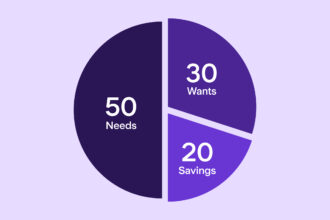
The 50/30/20 Method
This method asks you to divide your income in the following way:
- 50% for needs
- 30% for wants
- 20% for savings
This method works well because it is simple and flexible. It also helps you maintain a balanced lifestyle.
The Zero-Based Budget
This method gives every rupee or dollar a purpose. At the end of the month, your income minus expenses should equal zero — not because you have no money left, but because every rupee is assigned to a category.
This method is great for beginners who want full control over every expense.
The Envelope System
This method works best if you overspend easily. You create envelopes for different categories like food, transport, and entertainment. Once the money in an envelope is finished, you stop spending in that category.
Choose the method that feels easiest for you. Budgeting becomes successful when it feels simple, not stressful.
Step 4: Start with a Small Savings Amount and Increase Slowly
If you have never saved before, you may feel scared or unsure about how much to save. The truth is, you can start with any amount. Even saving ₹200 ($3) every week makes a difference over time.
The key is to build the habit first. Once you get comfortable, you can slowly increase the amount. You can also automate your savings by setting up a monthly automatic transfer to your savings account. This makes saving effortless and helps you stay consistent.
Over time, your brain gets used to saving, and it becomes a natural part of your life rather than a difficult task.
Step 5: Cut Unnecessary Spending Without Feeling Restricted
You do not need to stop enjoying life to save money. But you can reduce unnecessary spending. When you track your expenses, you may notice small habits that cost more than you expected. For example, daily coffees, frequent online shopping, or food delivery can add up quickly.
Instead of removing everything, try reducing these expenses slowly. Make simple changes such as cooking more meals at home, opting for affordable transport, using discounts, or planning purchases in advance. These small changes are easy and save a lot of money in the long run.
Step 6: Build a Small Emergency Fund as Your Safety Net
When you are new to budgeting, having an emergency fund is extremely important. This fund protects you from unexpected expenses like medical bills, vehicle repairs, or sudden job issues.
The goal is to save at least 1 month of expenses at first. Later, you can grow it to 3 or 6 months. An emergency fund gives you peace of mind and helps you avoid taking loans or using credit cards during tough times.
Step 7: Review Your Budget Every Month
A successful budget grows with you. At the end of every month, sit down for 10 minutes and review your spending. Check whether you stayed within your budget. Ask yourself where you did well and where you overspent. Then make small adjustments for the next month.
Budgeting is not about being perfect. It is about getting better over time. Even if you make mistakes in the beginning, you will learn and improve.
Step 8: Stay Consistent and Celebrate Small Wins
The hardest part about budgeting is staying consistent. But when you stick to your plan, you will notice positive changes. You will feel more confident, less stressed, and more in control of your life.
Celebrate small wins like sticking to your budget for a week, saving your first ₹500, or reducing an unnecessary expense. These small victories will motivate you to continue.
Final Thoughts: Start Budgeting Today and Take Control of Your Money
Budgeting is not complicated. It is simply a habit that gets easier with time. When you understand your income, track your expenses, set clear goals, and follow a simple method, you can easily start saving — even if you have never saved before.
If you are ready to improve your financial life, explore more guides, tips, and smart money ideas at WhiteHatFinance.com. Start today, take small steps, and watch your savings grow.