









Freelancing is one of the easiest and safest ways to earn money online. Many people believe that freelancing is only for experts, but this is not true. You can start freelancing even if you think you have zero skills. With the right steps, anyone can learn a small skill, find clients, and begin earning money from home.
- What Is Freelancing?
- Can You Start Freelancing With Zero Skills?
- Step-by-Step Guide to Start Freelancing With Zero Skills
- Step 1: Identify Simple Skills You Can Learn Fast
- Content Writing Basics
- Social Media Posting
- Step 2: Learn the Skill for Free
- Step 3: Create Simple Work Samples
- Step 4: Create Your Freelancing Profile
- Step 5: Create Beginner-Friendly Gigs or Services
- Step 6: Start With Low Prices
- Step 7: Apply for Jobs Every Day
- Step 8: Deliver a Good First Project
- Step 9: Improve Your Skill and Increase Your Income
- Step 10: Build a Long-Term Freelancing Career
- Tips to Grow Faster as a Beginner Freelancer
- FAQs
- Conclusion
If you want to start a side income or slowly move toward a full-time online career, this simple beginner-friendly guide will show you the complete roadmap. The words used here are simple and easy to understand, so even a beginner can follow them.
What Is Freelancing?
Freelancing means working for clients on a project basis instead of having one fixed job. You get to choose the type of work you want to do. You set your own price. You decide your work hours. You can work from home or from anywhere in the world.
This freedom and flexibility make freelancing one of the most popular online opportunities today.
Can You Start Freelancing With Zero Skills?
Yes. You can start freelancing even if you believe you have no skills. Everyone starts as a beginner. What matters is learning one simple skill that you can offer clients. There are many beginner-friendly skills you can learn within a few days. Once you start earning, you can slowly upgrade to more advanced skills.
Step-by-Step Guide to Start Freelancing With Zero Skills
Step 1: Identify Simple Skills You Can Learn Fast
There are many skills that take very little time to learn. You do not need a degree or experience to start with them. These include tasks that small businesses need every day.
Content Writing Basics
You can write short blog posts, product descriptions, or simple website content. Basic English is enough in the beginning.
Social Media Posting
Many businesses need help with posting images, writing captions, or scheduling content for Instagram, Facebook, and YouTube.
Data Entry
If you can type and follow instructions, you can do data entry, copy-paste work, and file organizing.
Virtual Assistance
This includes replying to emails, doing simple research, and helping with small tasks.
Canva Designing
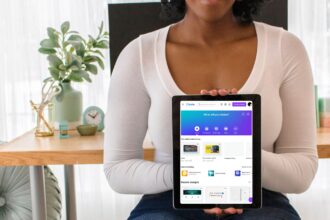
Canva allows you to create simple posters, flyers, thumbnails, and social media posts without any design experience.
Basic Video Editing
Apps like CapCut and InShot make editing short videos very easy.
You only need one small skill to begin your freelancing journey.
Step 2: Learn the Skill for Free
There is no need to buy expensive courses to start freelancing. You can learn the basics of almost any beginner skill for free. Platforms like YouTube offer thousands of tutorials.
Spend three to four days learning and practicing. This is enough to start offering basic services online.
For example:
- You can learn writing by reading blogs and practicing simple paragraphs
- You can learn Canva by recreating templates
- You can learn social media captions by studying top pages
Practice makes you better every day.
Step 3: Create Simple Work Samples
Clients need to see your work before they hire you. So you must create a small portfolio. These samples do not need to be from real clients. You can create them for practice.
For example:
- Write five small articles if you want to be a writer
- Create five designs using Canva
- Make a sample Excel file for data entry
These samples show that you can do the job even if you are a beginner.
Step 4: Create Your Freelancing Profile
Platforms like Fiverr, Upwork, Freelancer, and PeoplePerHour help you find new clients easily. Creating a profile takes only a few minutes.
Your profile should tell clients who you are, what you offer, and how you can help them. Keep your introduction simple and friendly. You do not need fancy words.
Example introduction:
“I help small businesses create simple and clean designs using Canva. I deliver fast work and communicate clearly.”
Step 5: Create Beginner-Friendly Gigs or Services
If you are using Fiverr, you need to create gigs. If you are using Upwork, you need to apply for projects.
Make your gig title short and clear, such as:
- I will design simple Canva posters for your business
- I will write basic blog posts for your website
- I will do data entry tasks accurately
Clients prefer clarity over complicated words.
Step 6: Start With Low Prices
When you are a beginner, it is best to start with low prices to get your first client. Once you get reviews, you can slowly increase your rates.
For example:
- Start with ₹300 to ₹500 (or $5 to $10)
- After you get 10 reviews, increase your price
- As you improve, move toward premium pricing
This helps you grow step by step.
Step 7: Apply for Jobs Every Day
Freelancing is a game of consistency. The more proposals you send, the faster you get your first project. Spend at least 20–30 minutes daily applying for jobs.
Your proposal should be short and honest. Tell the client how you can help them and mention that you can provide a sample.
Example:
“Hi, I saw your project and I can help you. I also created a small sample for you. I deliver on time and communicate clearly.”
Step 8: Deliver a Good First Project
When you get your first client, make sure you:
- Understand their instructions
- Communicate properly
- Deliver your work before the deadline
- Offer small changes if needed
Good communication increases your chance of getting 5-star reviews.
Step 9: Improve Your Skill and Increase Your Income
As you work with more clients, your confidence grows. You can then learn slightly advanced skills to earn more. For example:
- A simple content writer can learn SEO writing
- A Canva designer can learn advanced design
- A virtual assistant can learn social media management
Each upgrade increases your earning potential.
Step 10: Build a Long-Term Freelancing Career
If you want freelancing to become a full-time or long-term income source, treat it seriously. Keep learning, improve your portfolio, and communicate well with clients.
To manage your money better, save more, invest wisely, and build wealth slowly. You can read more simple guides about money growth at WhiteHatFinance.com to improve your income and financial habits.
Tips to Grow Faster as a Beginner Freelancer
Improve Your English
You don’t need perfect grammar. Basic English is enough, but improving slowly will help you communicate better.
Be Honest
Never promise something you cannot do. Honesty builds trust.
Practice Every Day
Even 30 minutes of practice can make you better than many beginners.
Be Patient and Consistent
Some people get clients in one week, some in one month. Do not quit too early.
FAQs
Can I start freelancing without any skills?
Yes, you can. Start with simple skills like writing, social media posting, Canva design, or data entry.
How much money can beginners earn?
Beginners usually earn ₹5,000 to ₹30,000 per month. With experience, you can earn much more.
Do I need a laptop?
A laptop helps, but many beginners start freelancing with just a smartphone.
Which platform is best for beginners?
Fiverr and Upwork are beginner-friendly and offer many entry-level jobs.
Conclusion
Starting freelancing with zero skills is completely possible if you follow the right steps. You only need one small skill, a few samples, and a simple profile to begin. With daily practice, consistency, and honest effort, you can find clients and start earning money online.
If you want to learn how to use your freelancing income wisely, save money, and build long-term wealth, visit WhiteHatFinance.com for easy-to-understand financial guides.